
Our Children Deserve Better
Expand Access to Mental Health Care Now
Featured in “Albany Times Union”
Written by Jared Male
“There’s not much hope for him as I’ve tried prescribing every medication I can think of. Best case scenario is that he will spend most of his time in day treatment programs.” That’s what a former psychiatrist of mine told my new (and still current) therapist some twenty years ago. I was overmedicated, misunderstood, and considered a lost cause by an arrogant doctor who didn’t know how to treat me. He also didn’t realize that medication alone was not a sufficient treatment plan. However, my life changed for the better once I started working with an expert in cognitive behavioral therapy (CBT).
Though I had shown symptoms throughout my childhood, I wasn’t officially diagnosed with obsessive-compulsive disorder (OCD) until I was somewhere around the age of 11 or 12. My symptoms would get pretty serious. For the next few years, I would experience a revolving door of therapists, psychiatrists, and medications. It was when I was transitioning from high school to college that I met my current therapist.
We began to practice CBT. We also got me on a more manageable dose of medication, which allowed me to think more clearly and focus on the therapy. I started seeing real improvements soon after. I was fortunate to have a family with the means to pay for the therapy I needed. Unfortunately, not every family can afford these kinds of treatments for their children, and a lot of insurances don’t cover it.
We have let our kids down for far too long in New York State. Especially those from low-income homes, who are at a greater risk of experiencing mental health issues than their counterparts. There is also a strong link between OCD and depression, and roughly half of all children dealing with depression do not receive the help they need. This puts these children at an unnecessary developmental and educational disadvantage (have you ever tried to focus on a task while experiencing waves of anxiety?) Fortunately, OCD and other anxiety disorders are highly treatable. With Governor Hochuls plan to invest $1 billion in mental health, now is the time to subsidize CBT for children from low-socioeconomic households.
Opposition will suggest subsidizing these treatments will cost too much. About $8 billion a year is spent on issues related to severe mental health problems in New York. Some of which could be contributed to anxiety disorders and depression in children. Early therapeutic intervention can help reduce some of those costs, considering studies have demonstrated that 75% of patients have shown improvement with CBT. So, it appears as though we can’t afford not to invest in our kids.
It’s great that Governor Hochul is taking mental health seriously, and I applaud her for allocating this money towards providing people with the care they need. But we have to reserve a larger portion of this money for underprivileged children than is already budgeted. Along with funding treatment let’s also use some of this money to train and hire more therapists, who are in short supply. We should do this because we can potentially save the taxpayers of New York money in the long run. Not addressing mental health problems at an early stage can lead to costly day treatment programs, welfare programs, and institutionalization.
It is also the right thing to do. I would hate to think of where I would be today if I hadn’t gotten the help I needed. Who knows, maybe that doctor’s prediction might have come true. And no child deserves that kind of future.
ABOUT THE AUTHOR
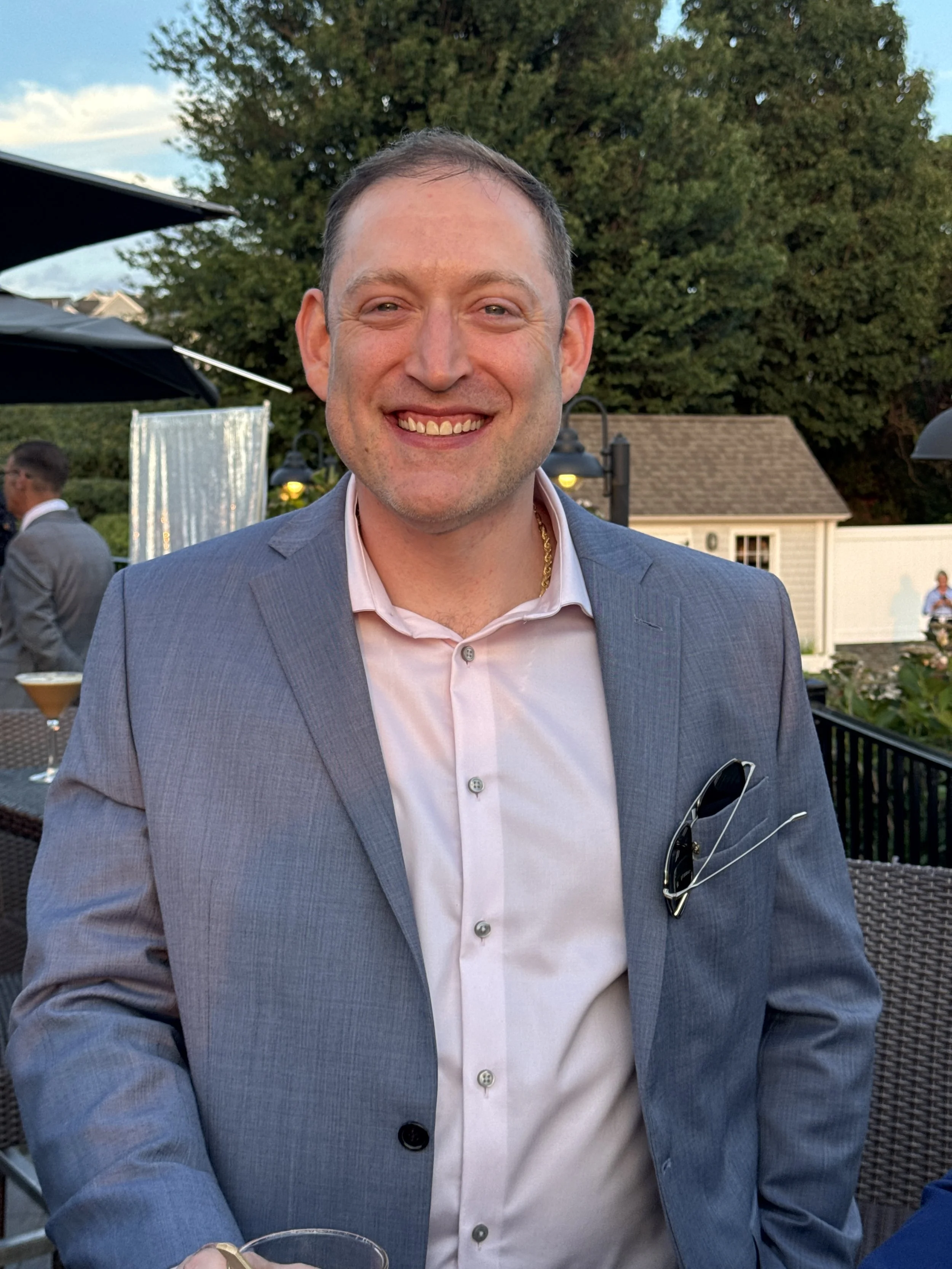
Jared Male
Jared is an early career nonprofit professional focused on mental health with a strong foundation in leadership and operations built through 14 years in hospitality as a chef, manager, and restaurant owner and a Master’s in Public Administration from NYU Wagner (May 2025). Jared’s applied these skills in the nonprofit sector through an internship with NAMI NYC, consulting work with Climb Hire, and ongoing volunteer roles with BelieveNY and Housing Works. Jared is known for hands on management, collaboration, practical problem solving, and being a thoughtful listener who is curious and actively engaged in learning.